Samiksha Lohar Permaculture

Case Study

Regenerating a ridge-top farm

As the permaculture design specialist, we designed and led the execution of a whole-property transformation — turning a degraded, fire-prone ridge into a water-harvesting, soil-building landscape.

The challenges

  • 01Diverse soil profiles ranging from clay to sandy loam and gravel
  • 02Low water-holding capacity of the soil
  • 03Slopes ranging from roughly 2% to 75% across the property
  • 04Established invasive non-native species (including lantana)
  • 05Located in a fire-prone zone
  • 06Topsoil loss from erosion during heavy rains, winds, and annual farming
  • 07Ridge-top position causing rapid moisture loss after the monsoon
  • 08Uncontrolled cattle movement leading to overgrazing
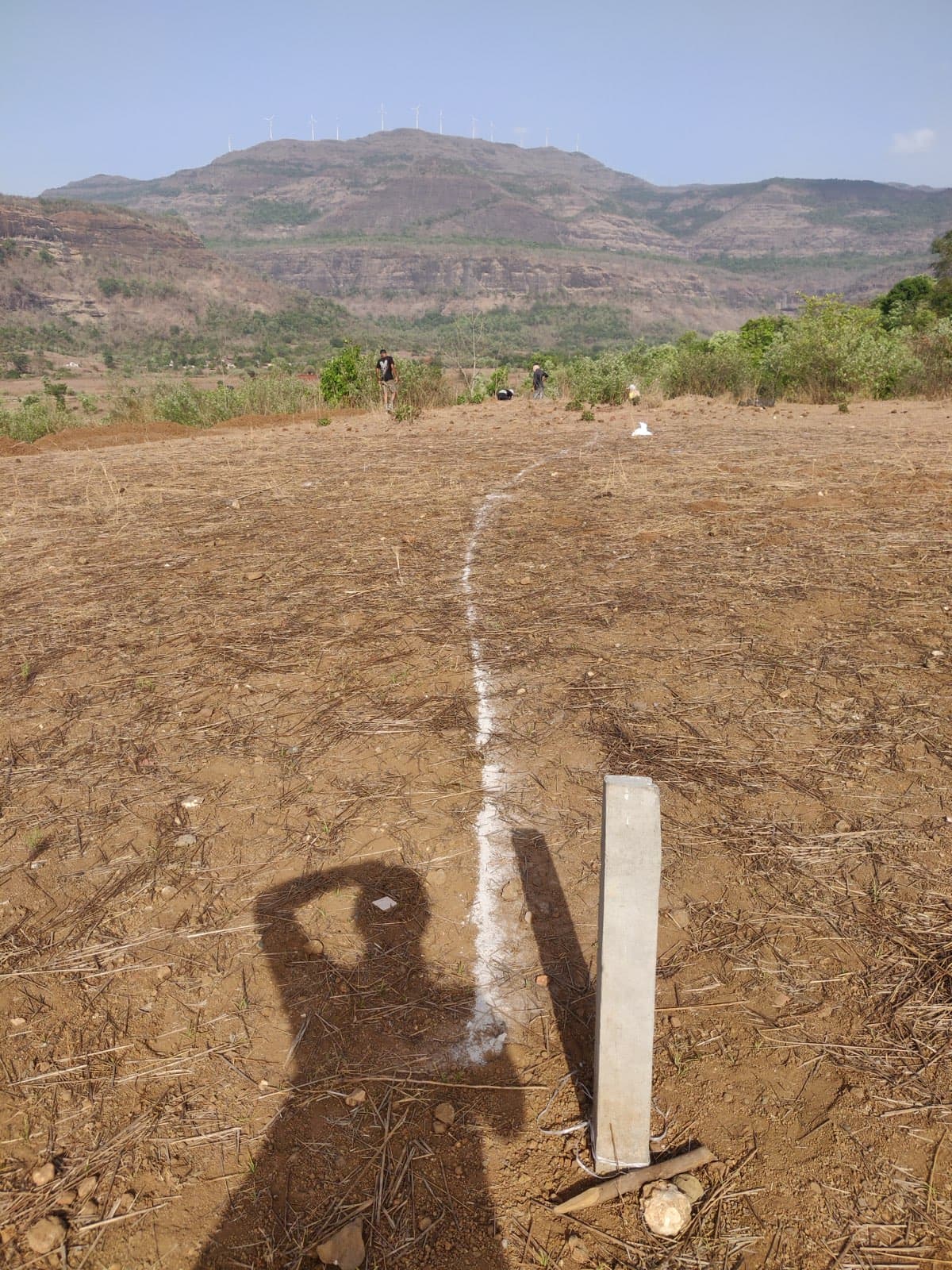
Slopes with contour lines marked before implementation
Slopes before permaculture design implementation
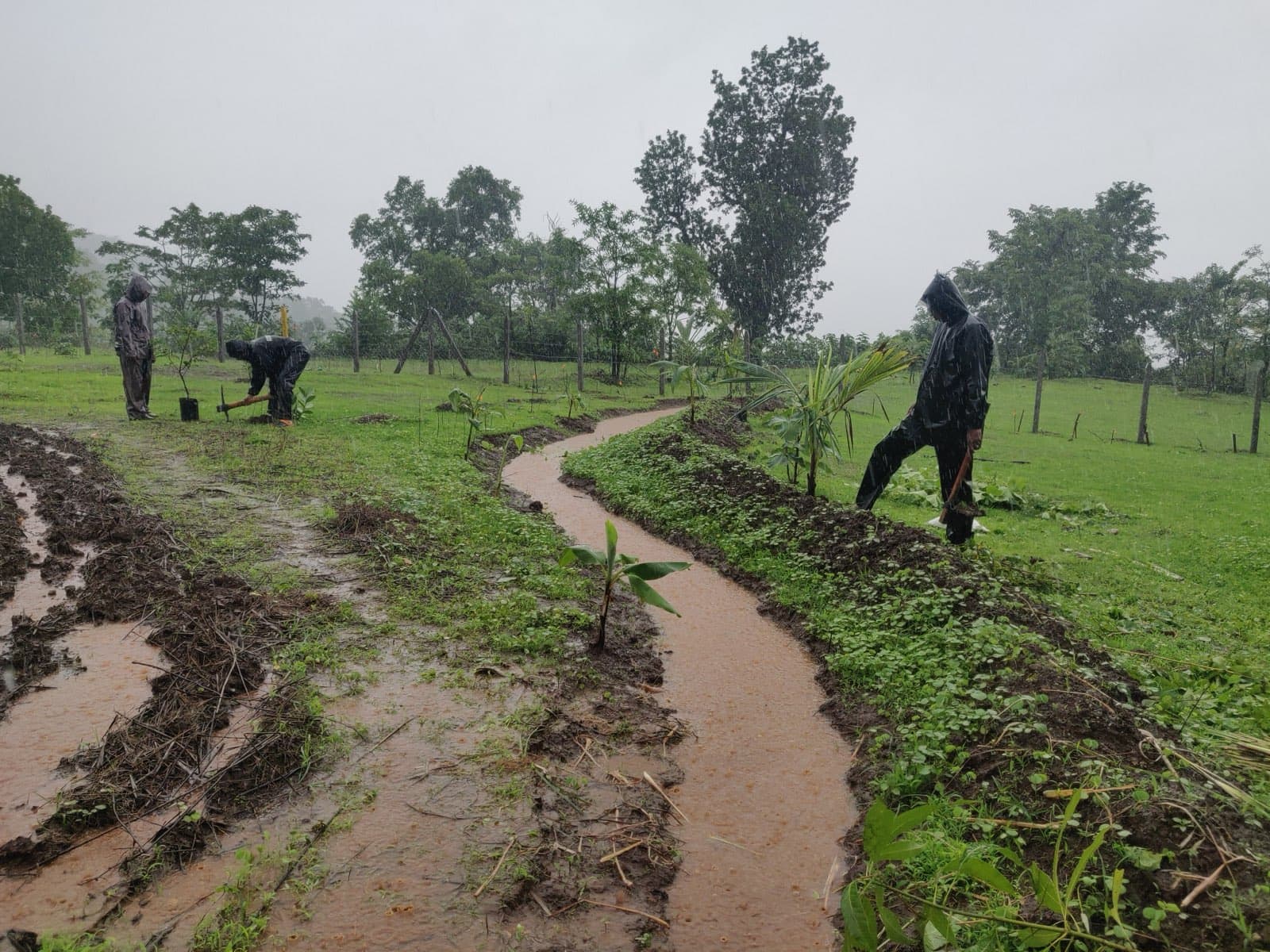
Swales collecting water and soil residues from the fields above
Swales collecting water & soil residues from fields above

The Design Response

Permaculture as the solution
01

Soil-specific earthworks & planting

Studied each soil profile to select earthworks and plant species matched to soil type and water retention capacity — adding pioneer species and edible ground covers to hold moisture and drain excess where needed.

02

Building water-holding capacity

Added biomass to the soil alongside ground-cover planting and slope earthworks — swales and boomerang trenches — to reduce evaporation, while using natural slopes and gravity to seep water underground and recharge soil moisture.

03

Designing with the slopes

Selected plant species by slope orientation and geology, and reserved the gradual, flat areas for pathways and annual vegetable beds.

04

Suppressing invasives without chemicals

Chop-and-drop of invasive species before flowering to suppress regrowth, and monsoon-flooded swales used to decompose the root stalks of lantana so it cannot resprout.

05

Fire sector defense

Increased soil moisture with earthworks and planted evergreen species around the fire sector to blunt fire entry — with agave along the fence line acting as a fire-resistant barrier.

06

Stopping erosion at the source

Swales around annual fields catch and collect eroded soil; perennial vegetables reduce dependence on tilling; vetiver, citronella, and lemongrass stabilize slopes; native grass cover shields soil from wind, rain, and movement.

07

Harvesting the rain safely

Used the natural landscape to harvest rainwater and drain the excess without destabilizing the land, by carefully selecting where swales and trenches belong.

08

A living answer to overgrazing

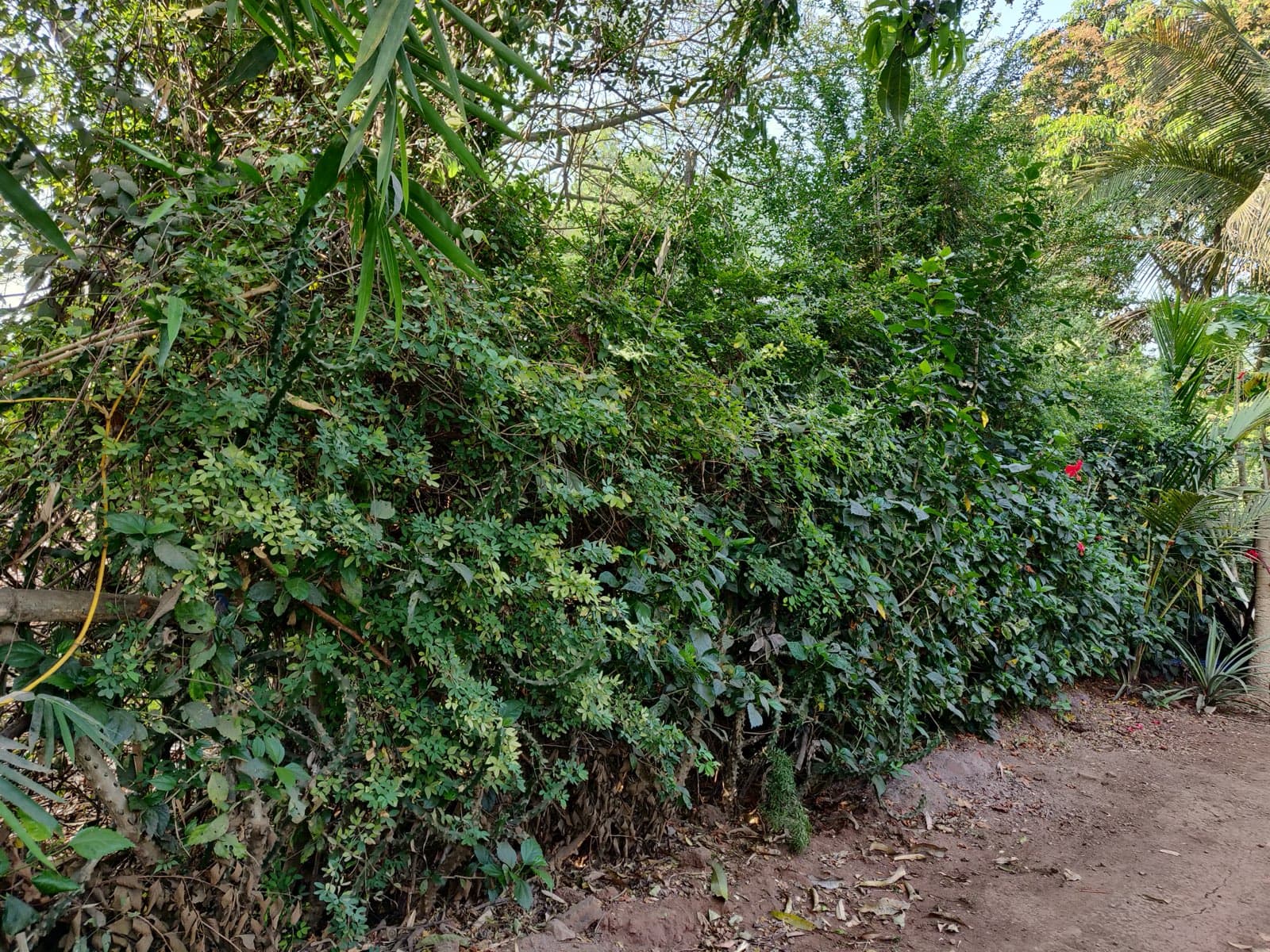
A live fence of native shrubs, thorny bushes, and plants cattle avoid — grown together as a dense, self-sufficient barrier, with a managed opening for supervised grazing.

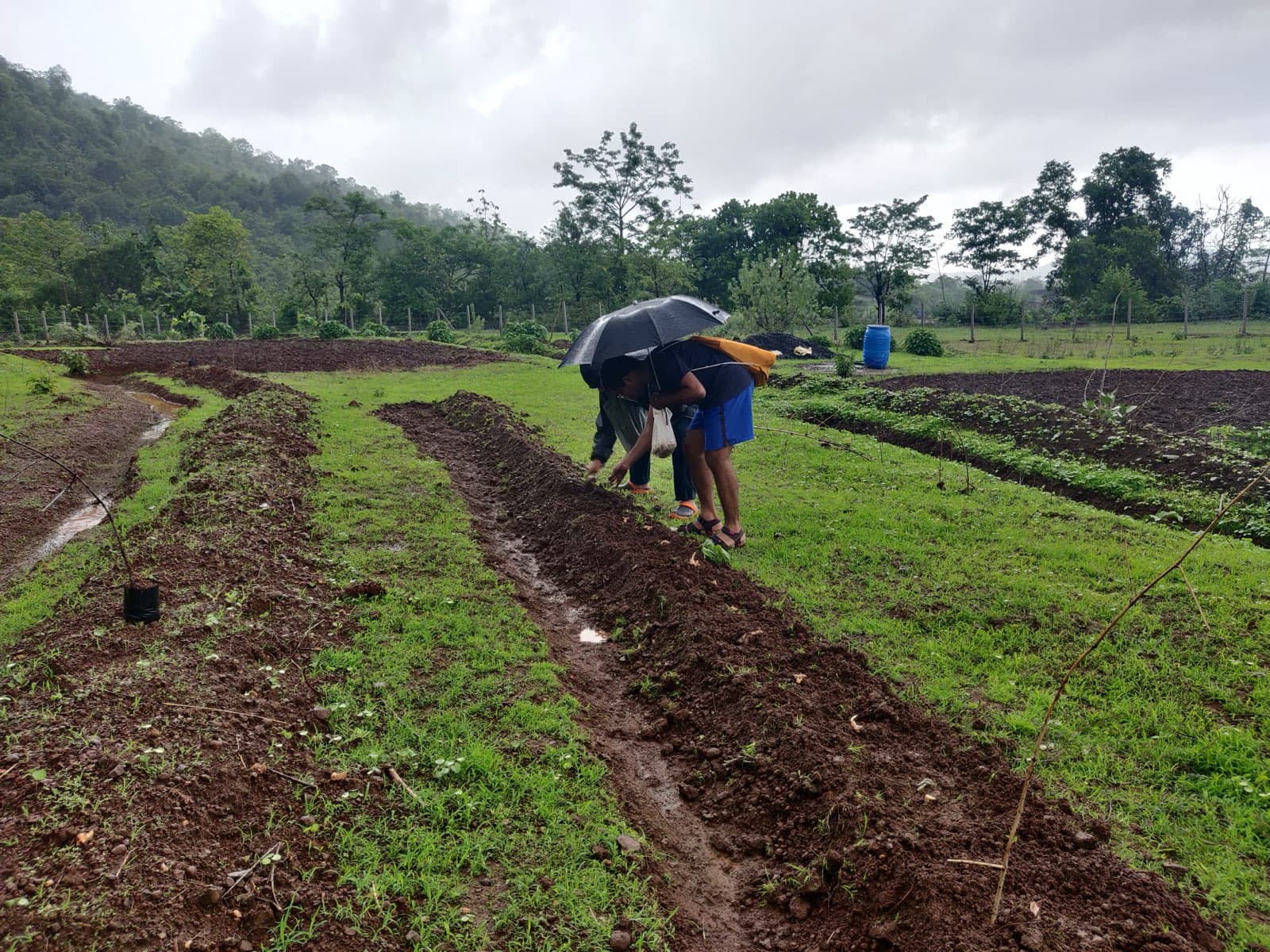
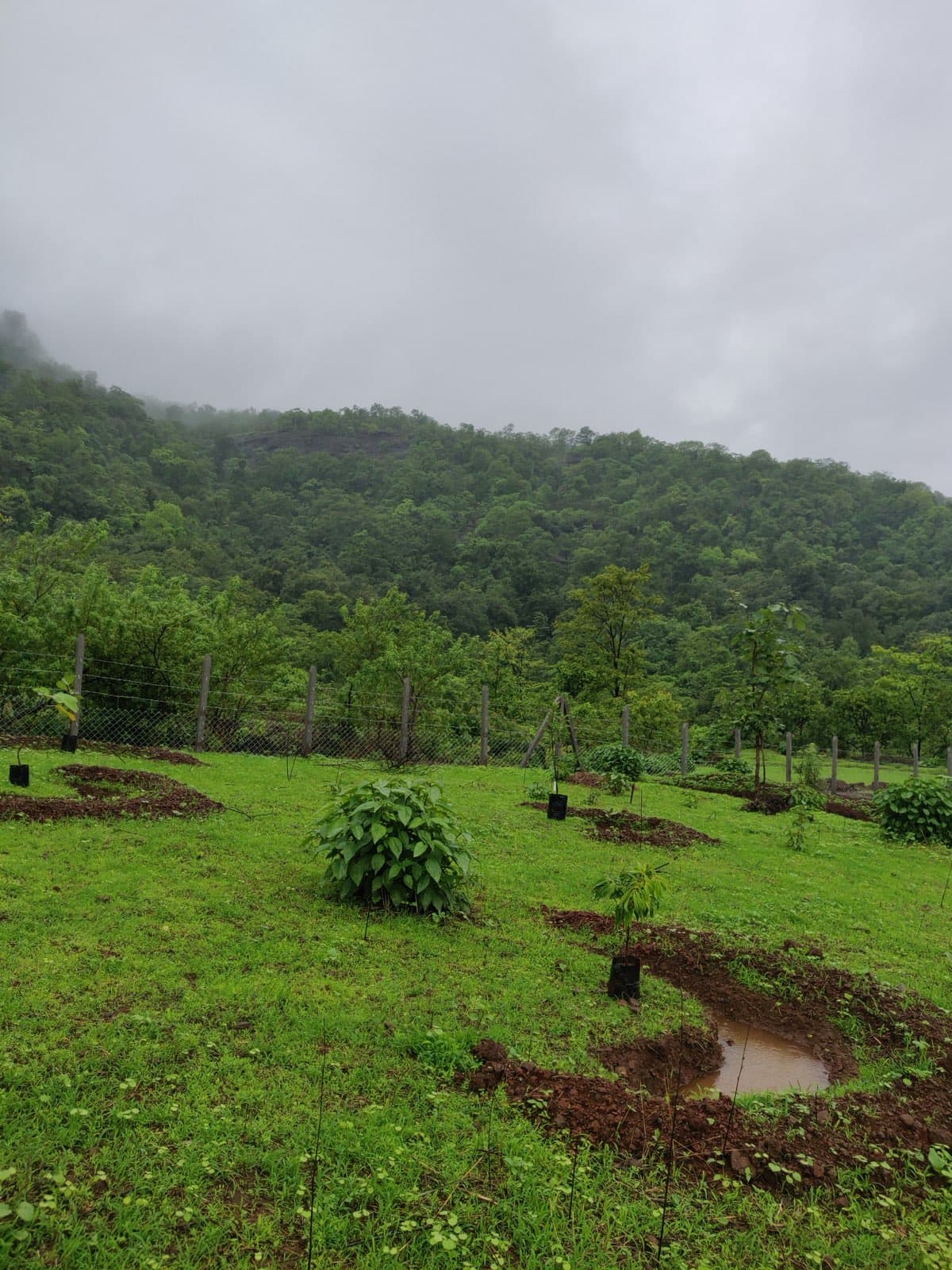
Boomerang trenches dug for plantation on sandy loam slopes
Boomerang trenches on coarse, sandy-loam slopes
Swales holding water during the monsoon
Swales at work in the monsoon
A dense living fence protecting the property
The living fence — a self-sufficient barrier

Facing similar challenges on your land?

Erosion, fire risk, water scarcity, invasive species — these problems have design solutions. Let's talk about yours.